- Guide
- CHY Engineering Team
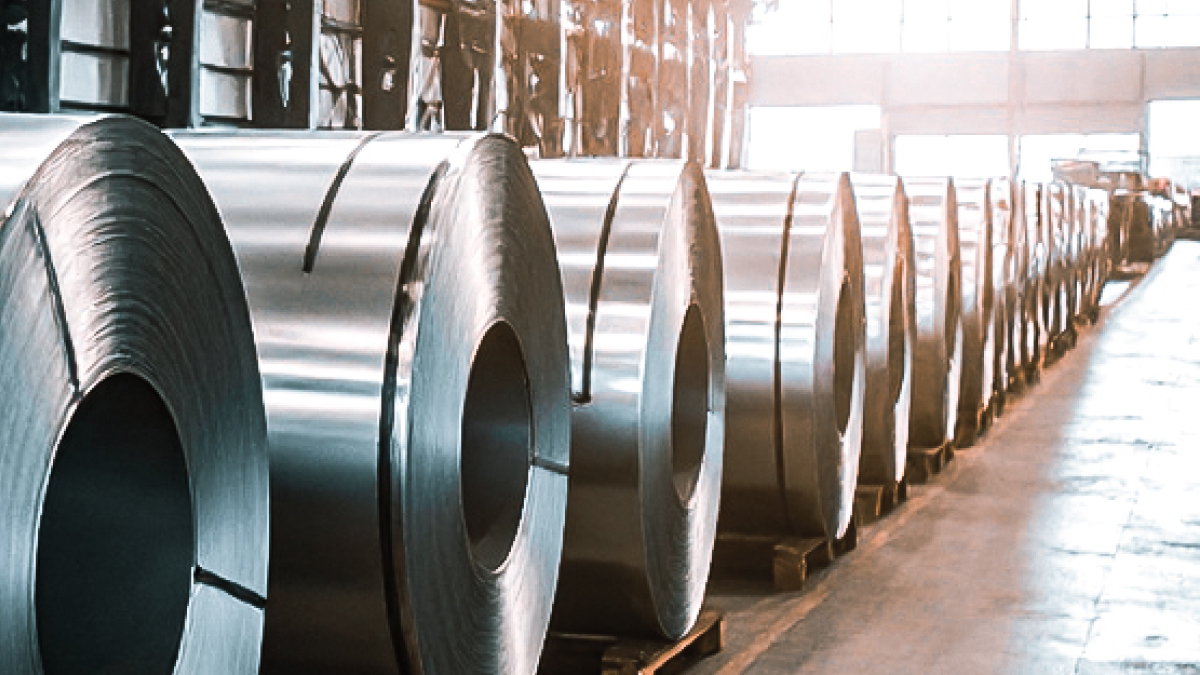
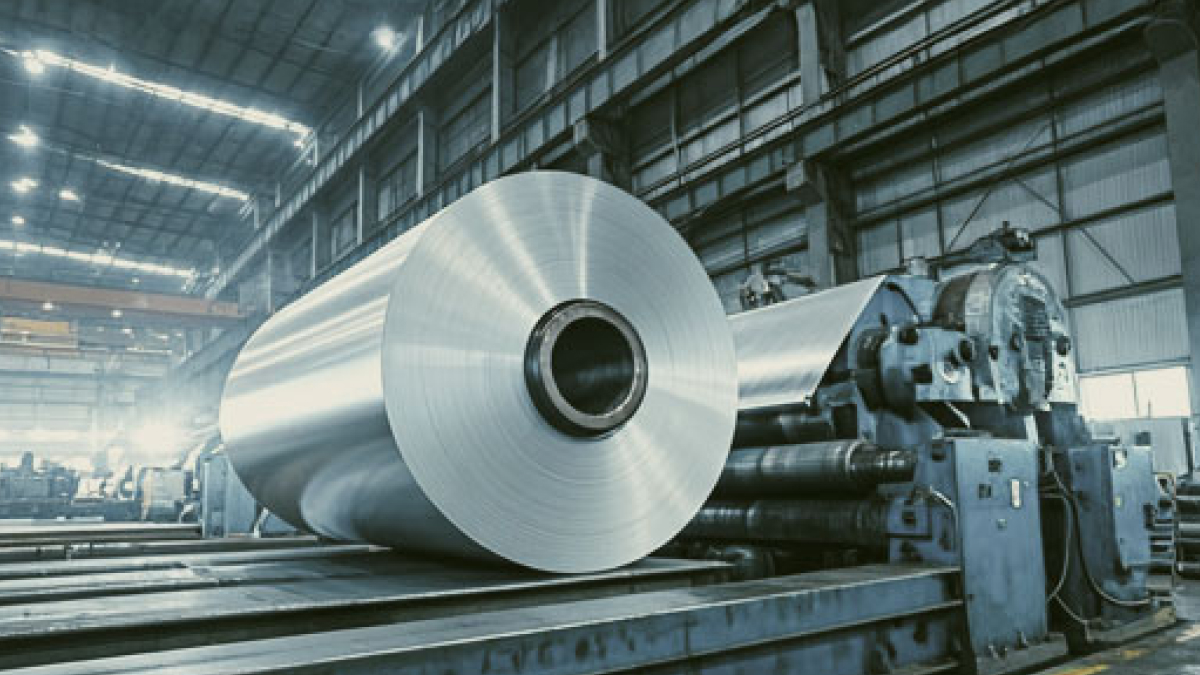
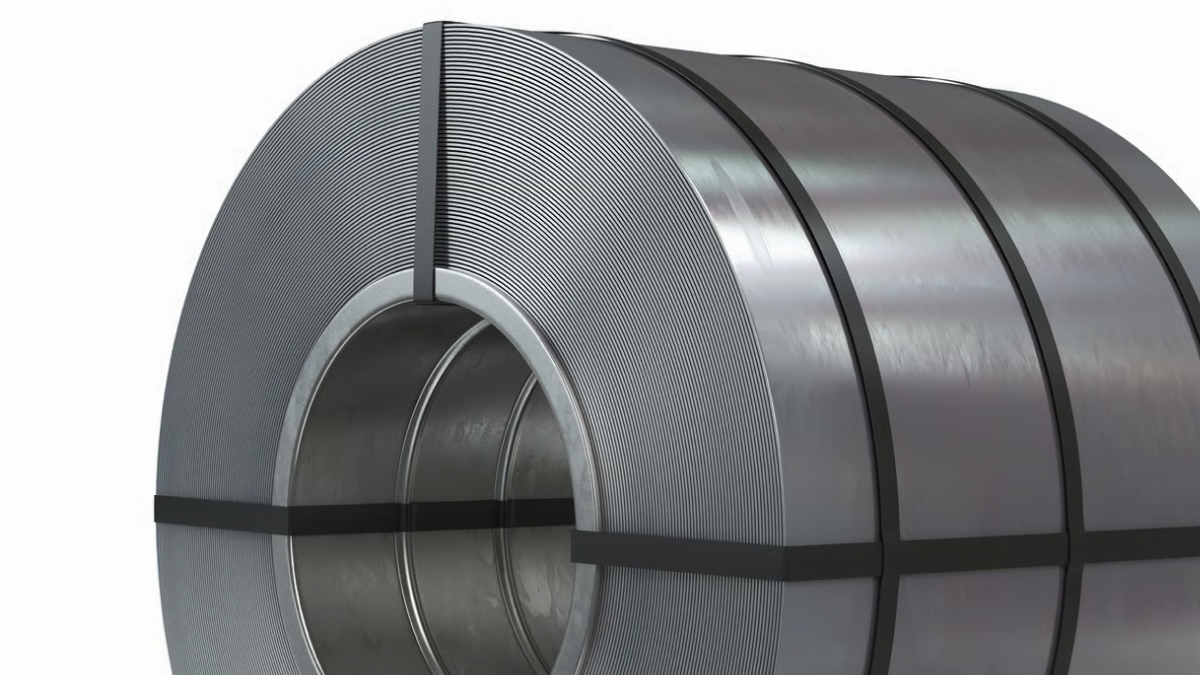
The greatest nightmare that stops the press line at a classic automotive OEM manufacturer is the tearing of the steel inside the mold during the "deep drawing" operation. Especially in the stamping of highly complex forms such as fenders, inner door panels, or oil pan guards, merely using cold rolled steel or galvanized steel is not enough; it is vital that the material belongs to highly formable (extra deep drawing) grades like DC04 or DC06.
Elongation and R-Bar Values
When you press a coil material, how much the grains in the microstructure of the material will stretch is understood by the %A (elongation at break) data from tensile tests. While a DC01 grade cold rolled steel has an elongation of around 28%, a coil out of a DC04 package can stretch up to 38%. If you try to press a complex geometry in a single stroke with a sheet having a low plastic anisotropy coefficient (r-value), you will experience "necking" at the peak points of the material, and ultimately tearing.
Mold Damages and Zinc Flaking
Another problem encountered in deep drawing operations with alloyed or coated sheets is the deformations occurring on the press ironing surface. If proper lubrication is not applied during the use of galvanized steel, the zinc particles on the surface stick to the press mold. Unabated, this phenomenon, called "galling," scratches the surface of the next sheet and accelerates the maintenance period of press molds worth hundreds of thousands of liras. Our industry experience shows that in designs exceeding formability limits, switching to a strategic sourcing model and changing the chemical recipe of the material (e.g., IF steels - Interstitial Free) rather than the sheet thickness is almost always more logical than mold revision.
 Engineering Team
CHY Steel Service Center provides high-precision steel solutions to the automotive, white goods, and construction sectors with over 40 years of experience.
View all posts