-
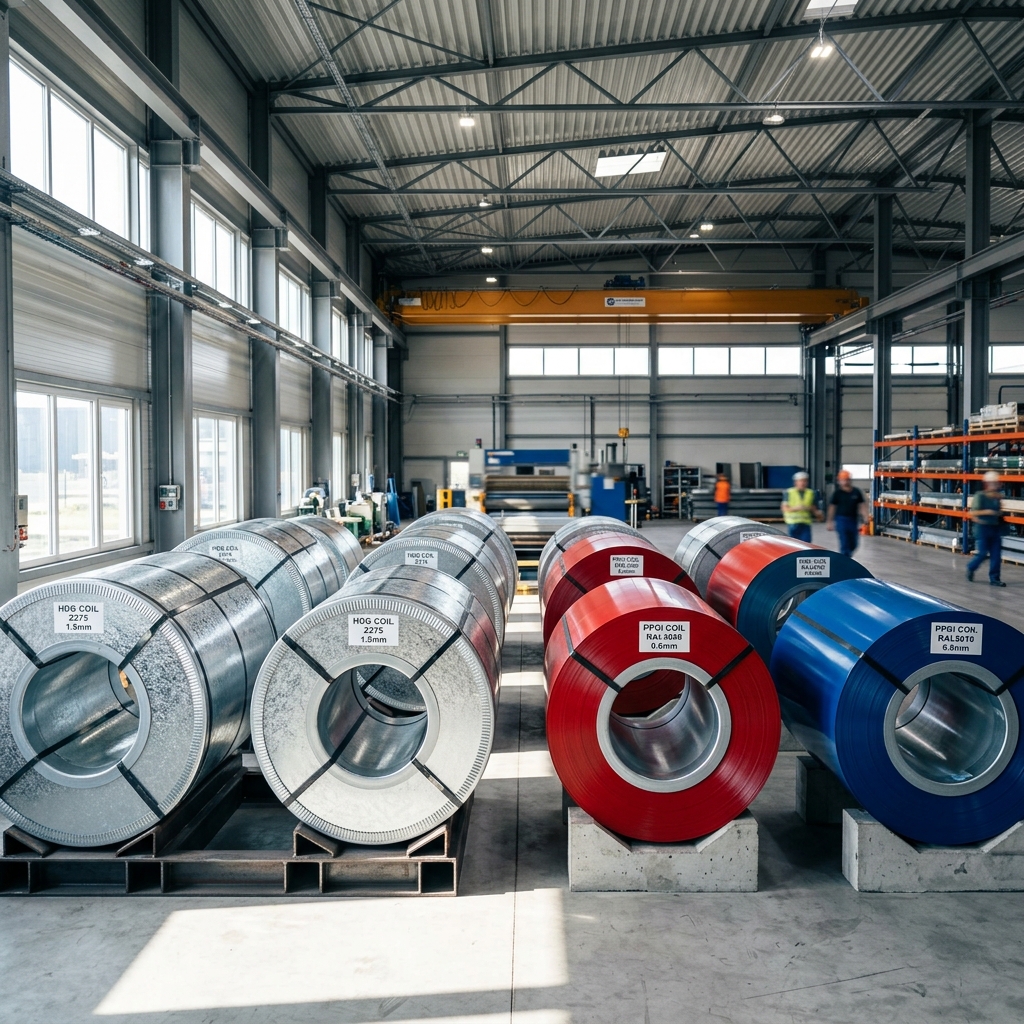
Galvanized and Prepainted Steel Selection Guide
Galvanized and Prepainted Steel Selection Guide
-
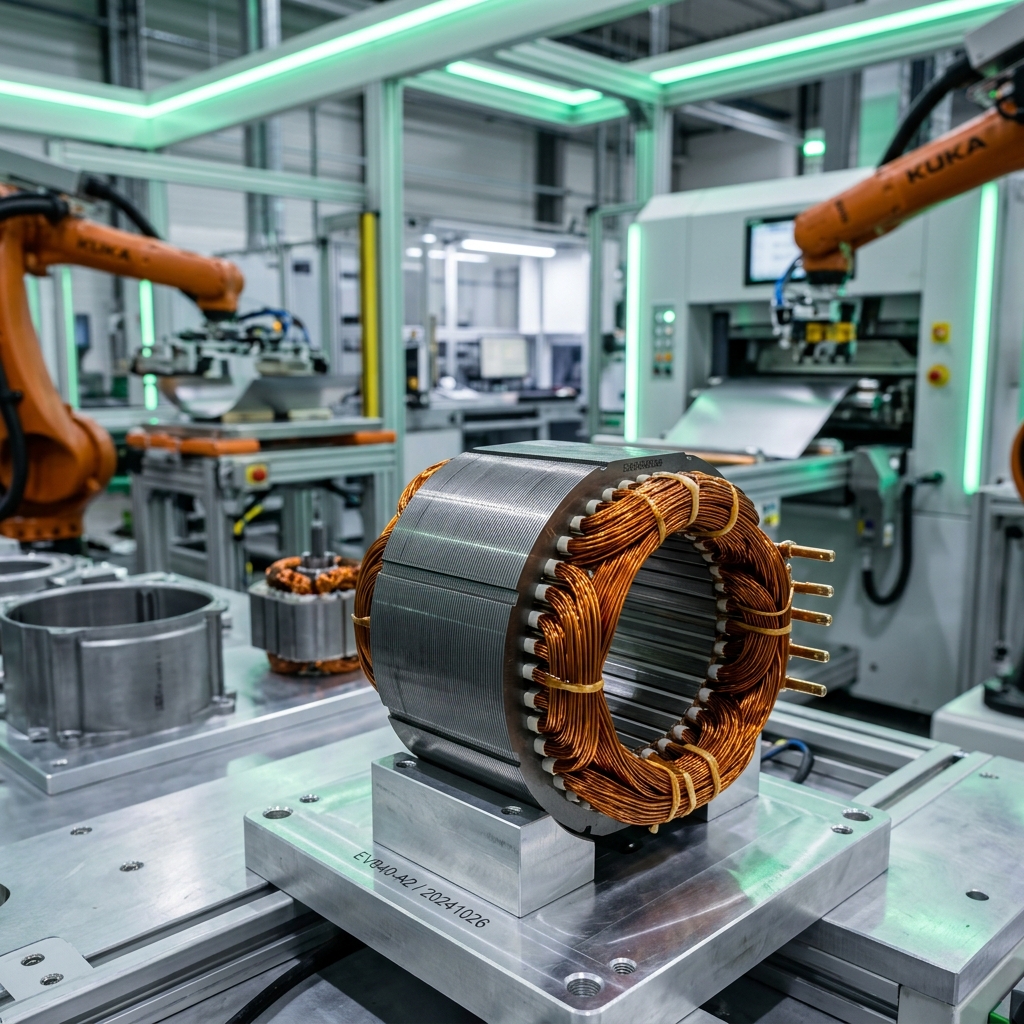
Silicon & Cold Rolled Steel in Energy Efficiency
Silicon & Cold Rolled Steel in Energy Efficiency
-
- Guide
- CHY Engineering Team
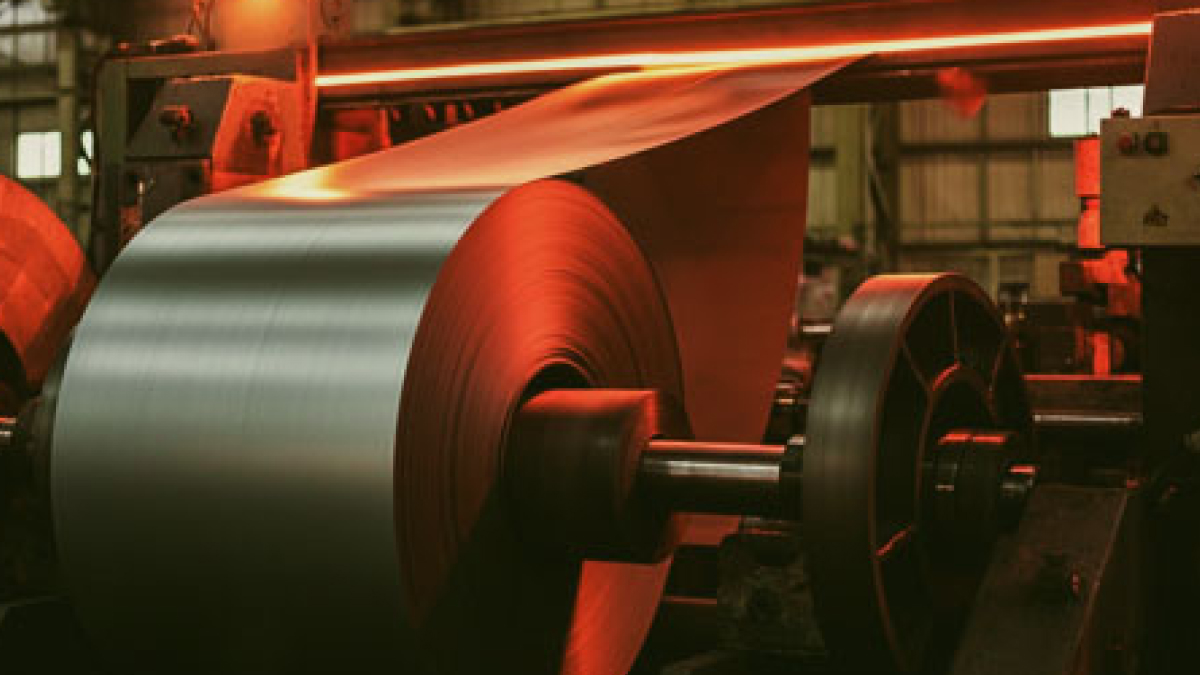
The world's most sensitive industrial production lines are the food packaging and energy sectors, where surface quality and thickness are literally measured in microns. On one hand, there is tinplate, where cans are formed and the coating thickness depends on the "pinhole" (micro-hole) error rate; on the other hand, there is electrical silicon steel, which determines whether giant grid transformers pass "core loss" tests.
Eddy Currents and the Quadratic Relation of Silicon Steel Thickness
Thermal losses, known as Foucault or Eddy currents in electrical engineering, are the arch-enemy of the efficiency of transformer cores. In the magnetic core of a transformer, losses increase in direct proportion to the square of the thickness of the silicon steel lamination used. Using an NGO or GO alloy reduced to 0.27 mm via rolling technology, instead of a traditionally laminated 0.50 mm transformer, absorbs hundreds of thousands of liras of energy waste annually in a massive grid. However, the edge burr that occurs during the slitting of a 0.27 mm coil creates shorts between stacked transformer cores, piercing the insulating C5 coating. Burr control is a security firewall right at this point.
Coating Homogeneity and Food Safety in Tinplate
The thickness debate in motor cores leaves its place to "tin and chromium" coating homogeneity in the packaging sector. The most dangerous scenario for ETP (Electrolytic Tinplate) coils purchased in a strategic sourcing plan is that tin ions on the surface do not deposit equally at every point. Especially in the packaging of highly acidic foods with high pH, even a 3-micron weak spot initiates a galvanic reaction leading to hydrogen accumulation (can swelling).
There is no margin for error, whether in silicon sheets to prevent magnetic leaks or tinplates, which require 100% food compatibility. Purchasing departments must absolutely request factory test lab results (mill certificate) and microstructural examinations when selecting these materials.
 Engineering Team
CHY Steel Service Center provides high-precision steel solutions to the automotive, white goods, and construction sectors with over 40 years of experience.
View all posts