-
Galvanized and Prepainted Steel Selection Guide
Galvanized and Prepainted Steel Selection Guide
-
Silicon & Cold Rolled Steel in Energy Efficiency
Silicon & Cold Rolled Steel in Energy Efficiency
-
- Guide
- CHY Engineering Team
In exterior facade projects and industrial designs operating in harsh atmospheric conditions, engineers' biggest dilemma is the choice of coating type. Whether the material to be used in coastal projects or acidic production facilities should be aluminized steel or high-micron prepainted steel (PPGI) is determined by the results of microscopic battles in standard Salt Spray test cabinets.
Coating Microns and the Oxidation Barrier
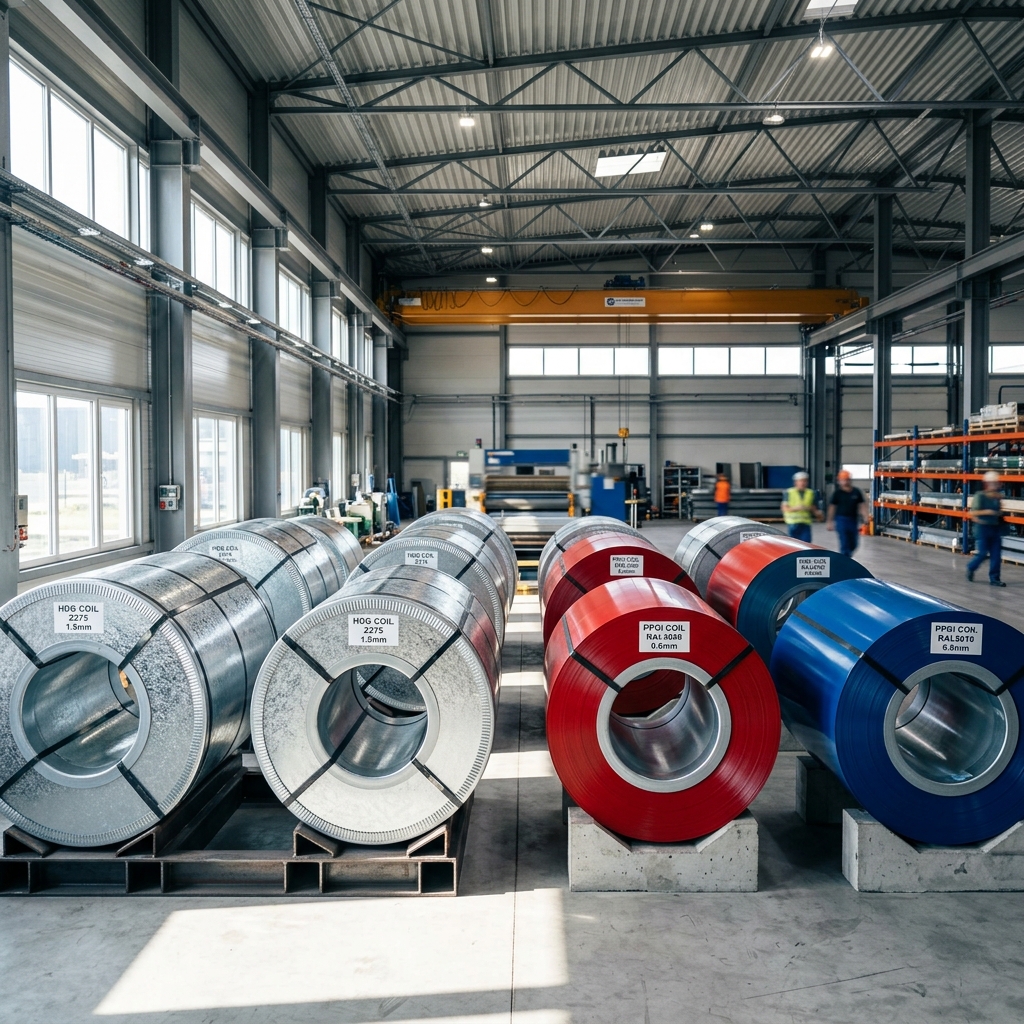
The heart of prepainted steel (PPGI) beats in the galvanized steel layer underneath it. In quality PPGI production, the 5-micron primer and 20-micron polyester topcoat paint applied over a Z275 (275 grams of zinc per square meter) coating create a flexible armor that keeps out salt and moisture. The weak spot of prepainted steels that surpass 1000 hours in salt spray cabinets is mechanical impacts. A micro-scratch in the paint layer during installation will cause the underlying zinc to sacrifice itself (cathodic protection) and form white rust.
Thermal Superiority of the Aluminum Silicon Alloy
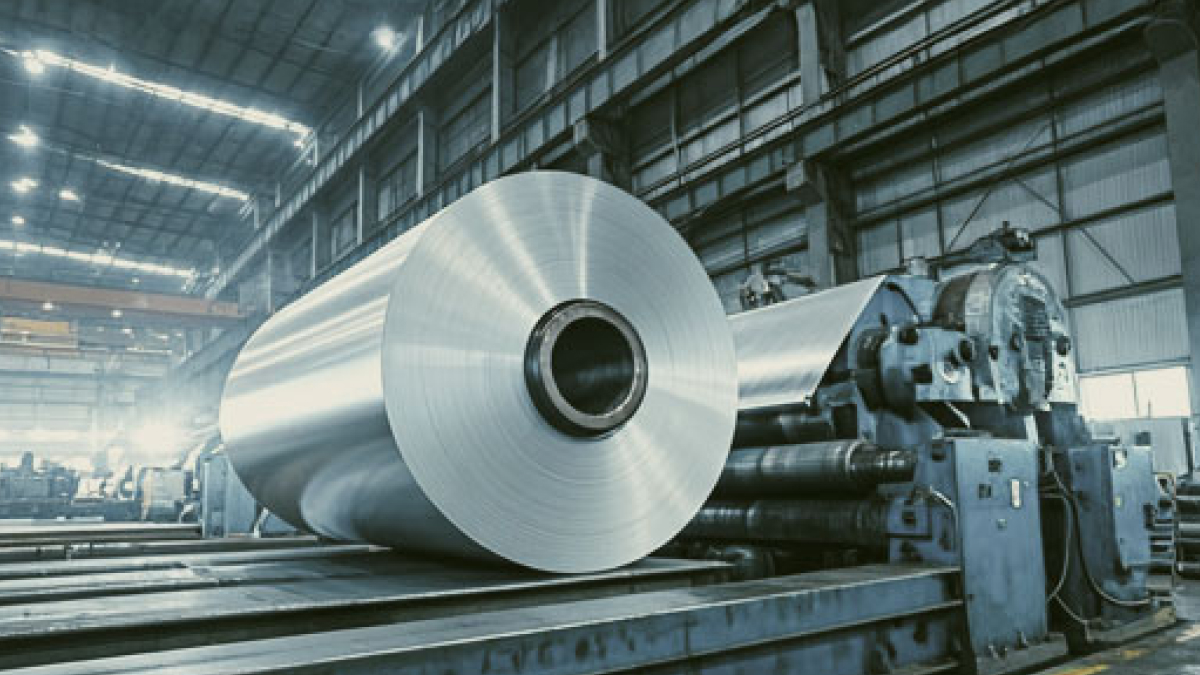
On the other hand, aluminized steel follows an entirely different chemical strategy against corrosion. Carbon steel dipped in a molten aluminum and silicon bath creates a passive and impenetrable aluminum oxide layer on its surface. In salt spray tests, aluminum's self-healing ability exhibits much more stubborn resistance in scratch reactions compared to prepainted steel. Moreover, this alloy is unrivaled for chimney pipes and furnace panels at extreme temperatures like 800 °C.
If you need visual aesthetics and resistance to acidic rain, you should opt for polyurethane-based prepainted steel; if you are looking for an unbreakable armor against both thermal shocks and heavy sodium chloride atmospheres, you should choose aluminum coating.
 Engineering Team
CHY Steel Service Center provides high-precision steel solutions to the automotive, white goods, and construction sectors with over 40 years of experience.
View all posts